

Blog
7
25.09.2026
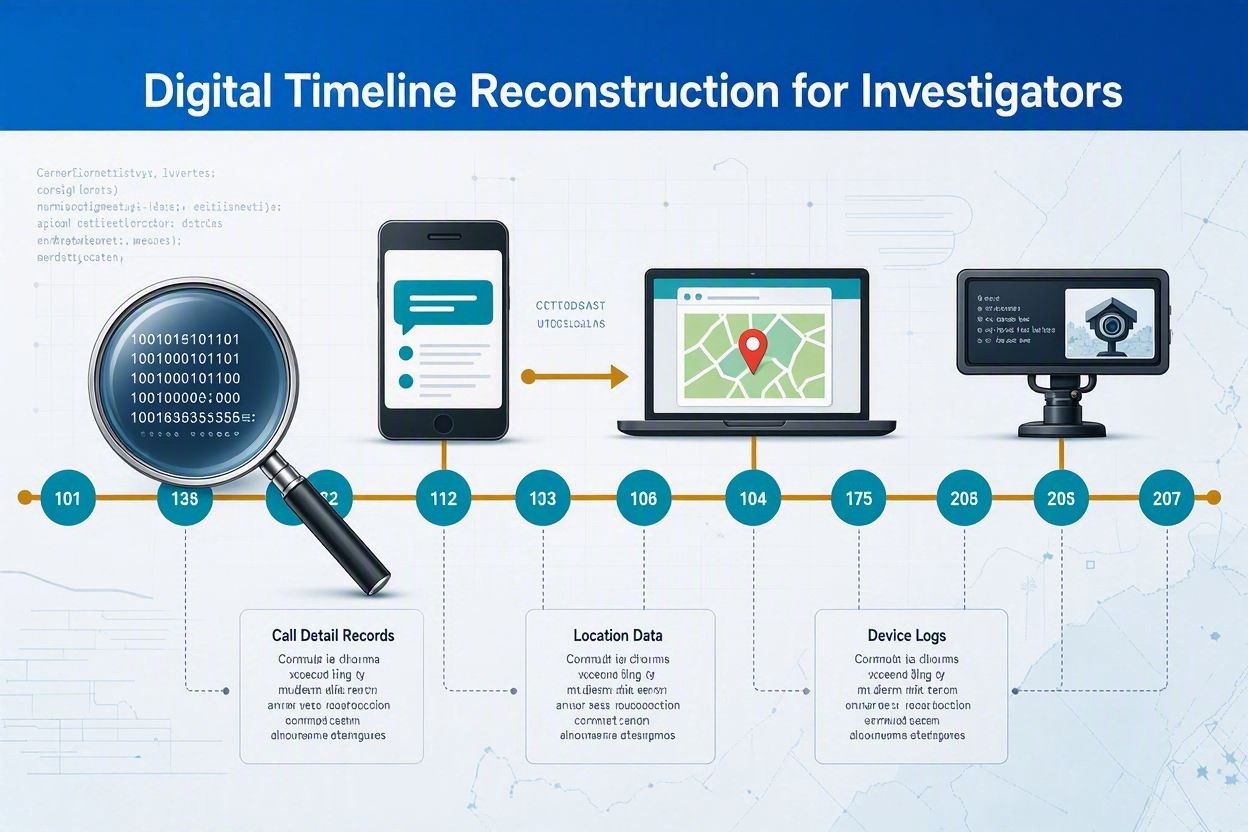
Modern investigations rarely begin with a single witness statement or one physical clue. They often start with thousands of digital traces: phone location records, cloud logins, file metadata, security camera timestamps, chat messages, app activity, payment records, and network logs. A specialized timeline reconstruction program helps investigators transform this fragmented evidence into a coherent sequence of events that can be reviewed, challenged, and explained.
8
24.09.2026
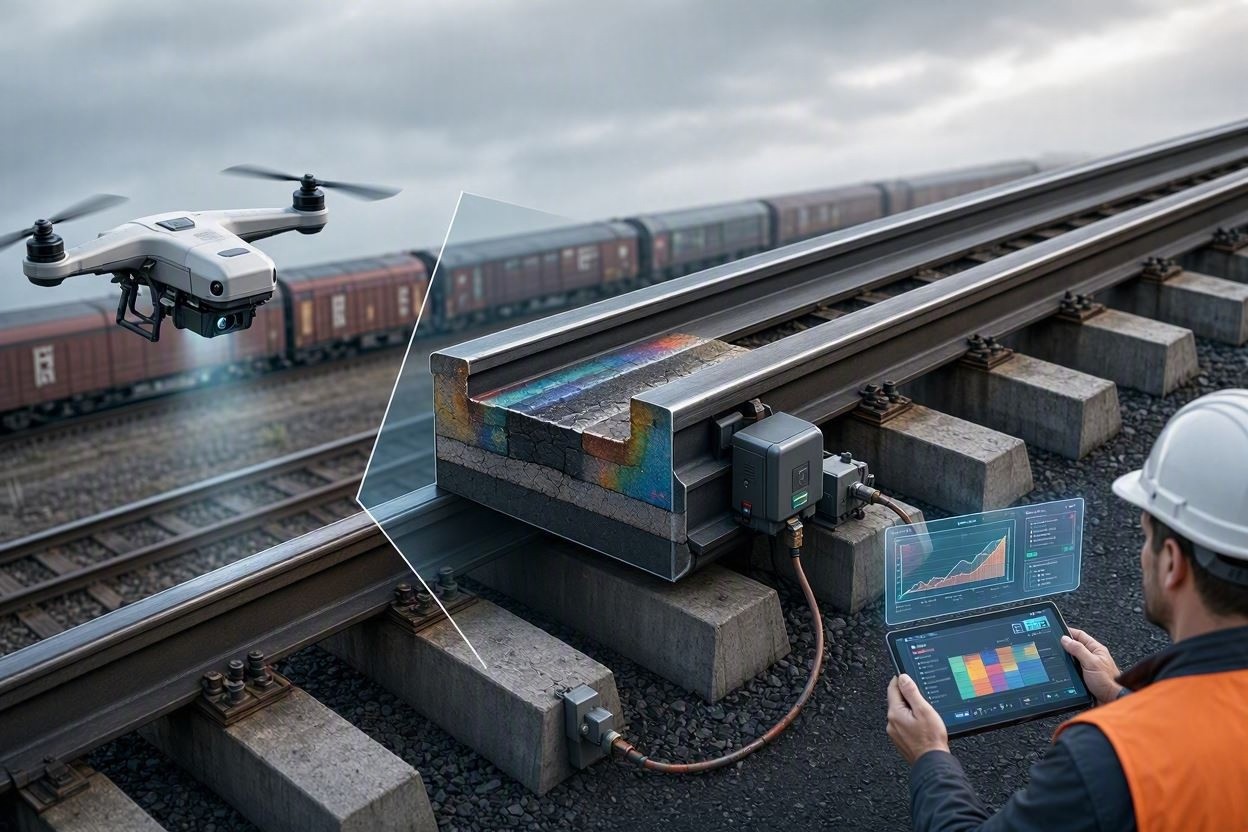
Rail infrastructure is exposed to millions of wheel passages, changing weather, vibration, braking forces, and heavy freight loads. Over time, these factors cause head wear, side wear, corrugation, cracks, squats, shelling, and other defects that can reduce ride quality and compromise safety. Traditional inspection methods remain essential, but they are often periodic, labor-intensive, and dependent on specialist interpretation. A neural network can strengthen this process by continuously analyzing rail condition data and predicting when replacement or corrective maintenance should be scheduled.
10
23.09.2026
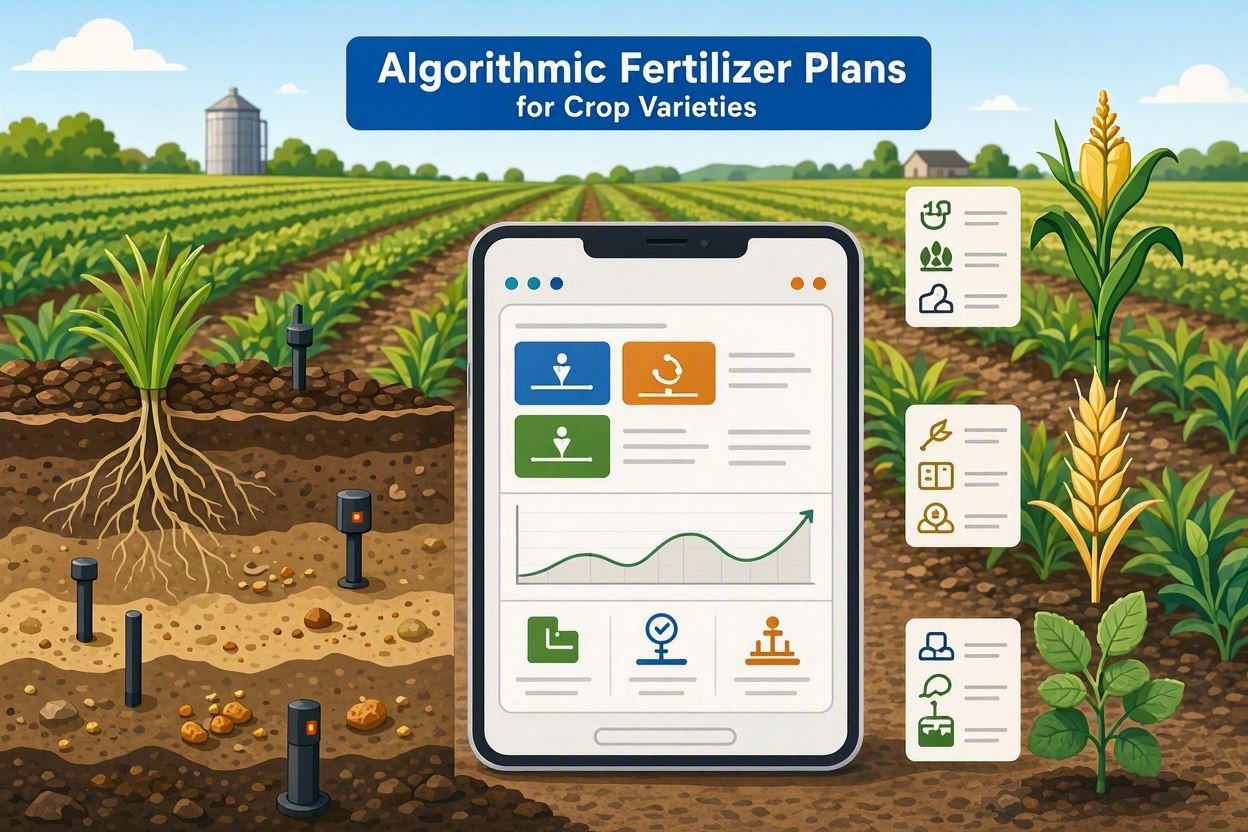
Fertilizer planning is no longer limited to broad recommendations such as “apply nitrogen in spring” or “add potassium before flowering.” Modern agriculture increasingly relies on data-driven systems that match nutrient supply to the exact needs of a crop variety, field condition, and production goal. An algorithm that selects the optimal fertilizer composition can reduce waste, improve yield stability, and support more sustainable farming decisions.

19
22.09.2026
Public procurement is one of the most vulnerable areas for corruption because large budgets, complex requirements, and tight deadlines often meet limited oversight. Tender documentation may look formally correct while still containing hidden barriers, biased specifications, or suspicious conditions designed to favor a particular supplier. Artificial intelligence is changing how procurement teams, auditors, and anti-corruption bodies detect these risks before contracts are awarded.
32
21.09.2026
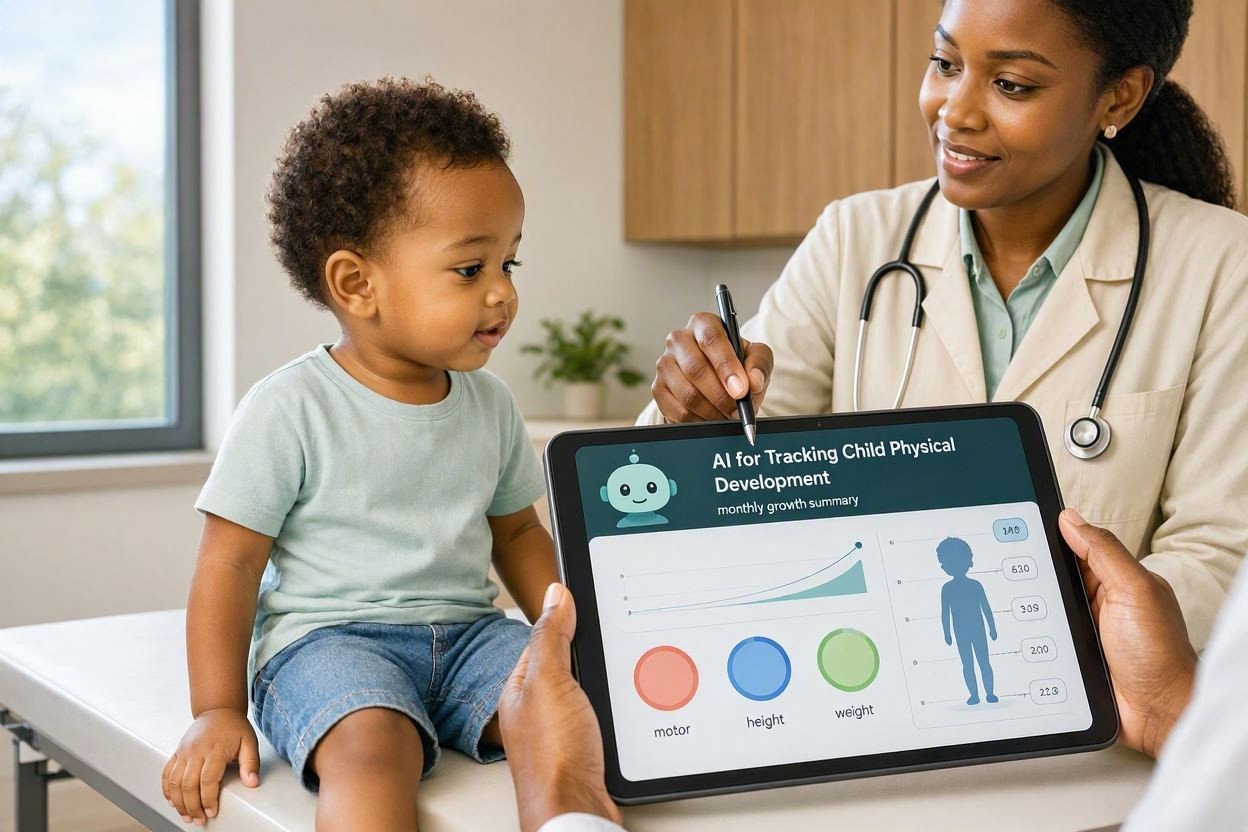
Tracking a child's physical development is one of the most important responsibilities in pediatric care. Height, weight, head circumference, posture, motor skills, and movement patterns can reveal whether a child is growing as expected or needs additional support. Artificial intelligence is now helping pediatricians interpret this information more accurately over time, turning routine measurements into clearer, more actionable insights.
37
20.09.2026
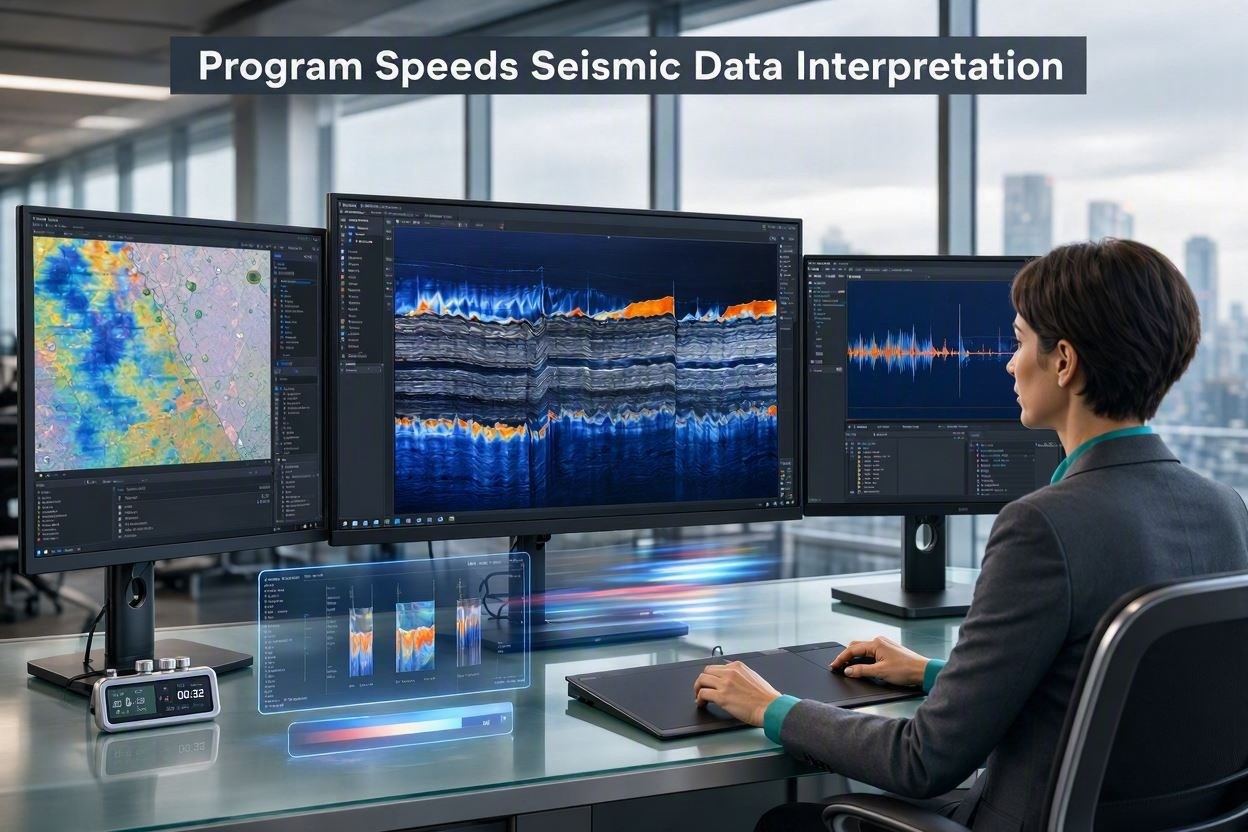
Seismic survey interpretation is one of the most time-sensitive and data-heavy tasks in subsurface exploration. A modern interpretation program can help geologists move from raw seismic volumes to reliable geological insight faster, without sacrificing technical rigor. By combining automated signal analysis, machine learning, visualization, and quality control tools, such software reduces repetitive manual work and gives specialists more time to evaluate geological meaning.

51
19.09.2026
Sales conversations contain some of the most valuable data in any revenue organization. Every objection, pause, question, and closing attempt reveals how well a manager understands the customer and controls the deal. Yet many companies still rely on random call reviews, subjective coaching, or delayed CRM notes. A program that analyzes sales managers' calls changes this process by turning everyday conversations into measurable, practical insights.

48
18.09.2026
Flight delays rarely happen for a single reason. A departure may be held because of thunderstorms near the destination, reduced runway capacity, late-arriving aircraft, or congestion at a major hub. Modern prediction algorithms are designed to connect these signals before disruption becomes visible to passengers. By combining weather data with airport traffic levels, they can estimate the probability and length of a delay with increasing accuracy.
51
17.09.2026
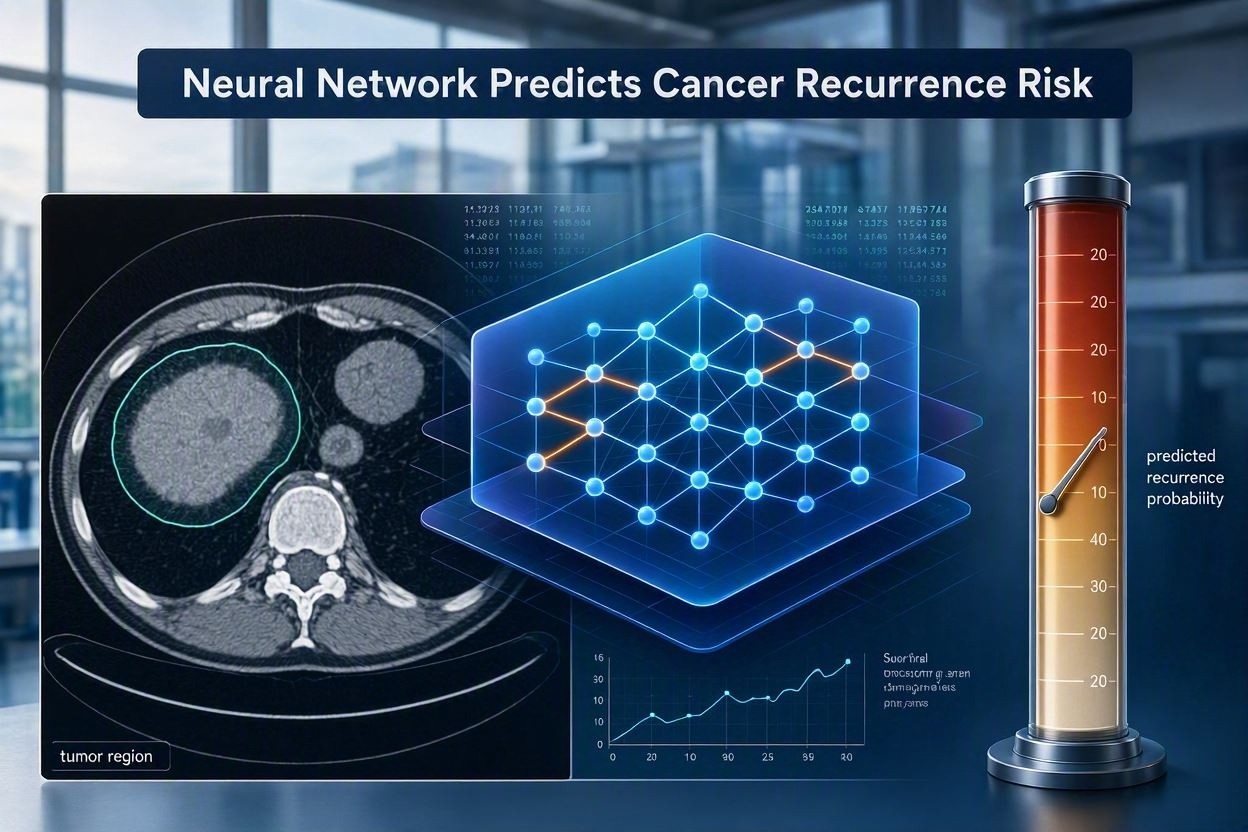
Cancer recurrence remains one of the most difficult challenges in oncology. Even after successful surgery, chemotherapy, radiation, or targeted therapy, some patients face the return of the disease months or years later. Predicting who is at higher risk has traditionally depended on tumor stage, grade, lymph node involvement, genetic markers, and a physician’s clinical judgment. Today, neural networks are adding a new layer of precision by analyzing complex medical data and estimating the likelihood that cancer may return.
54
16.09.2026
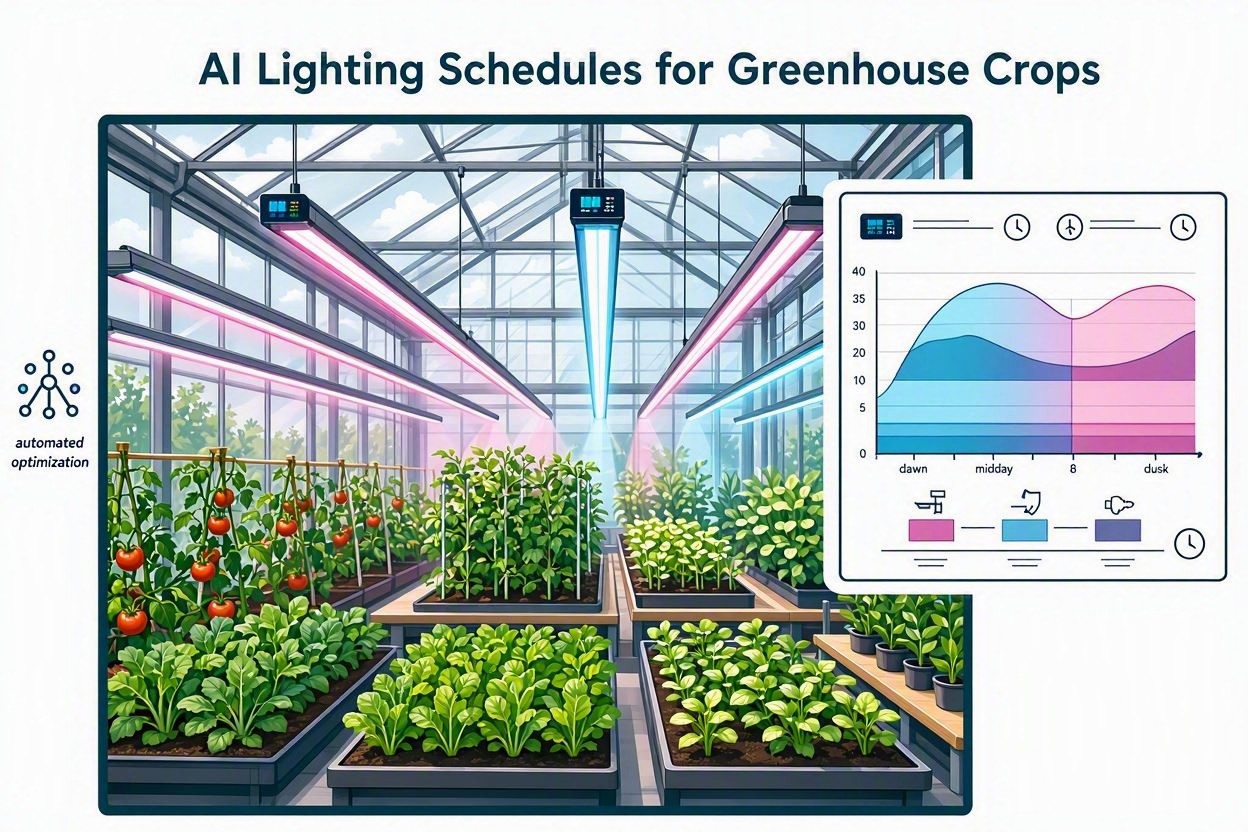
Modern greenhouses are no longer managed by fixed timers and guesswork alone. As energy costs rise and crop quality standards become stricter, growers need lighting strategies that match the biological needs of each plant. An algorithm that selects the optimal lighting schedule for every crop can improve productivity, reduce electricity waste, and create more consistent harvests throughout the year.