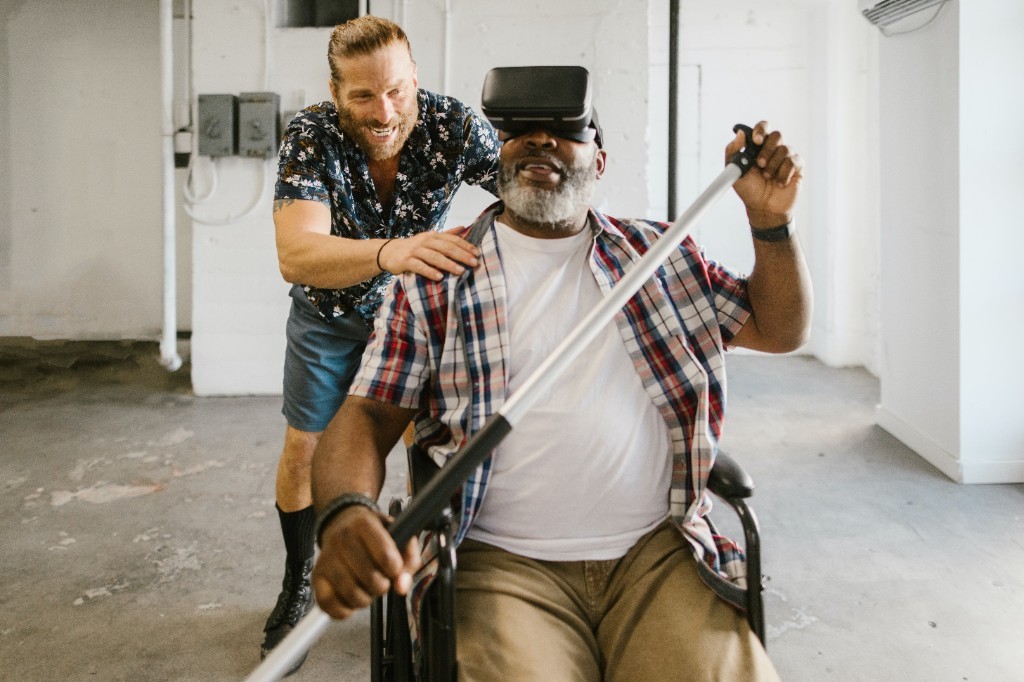

In recent years, there has been a significant advancement in the field of Artificial Intelligence (AI) and Augmented Reality (AR). These technologies have become increasingly popular and have the potential to enhance virtual experiences in various fields such as gaming, education, healthcare, and...
How AI Helps Pediatricians Track a Child's Physical Development Over Time
33
21.09.2026
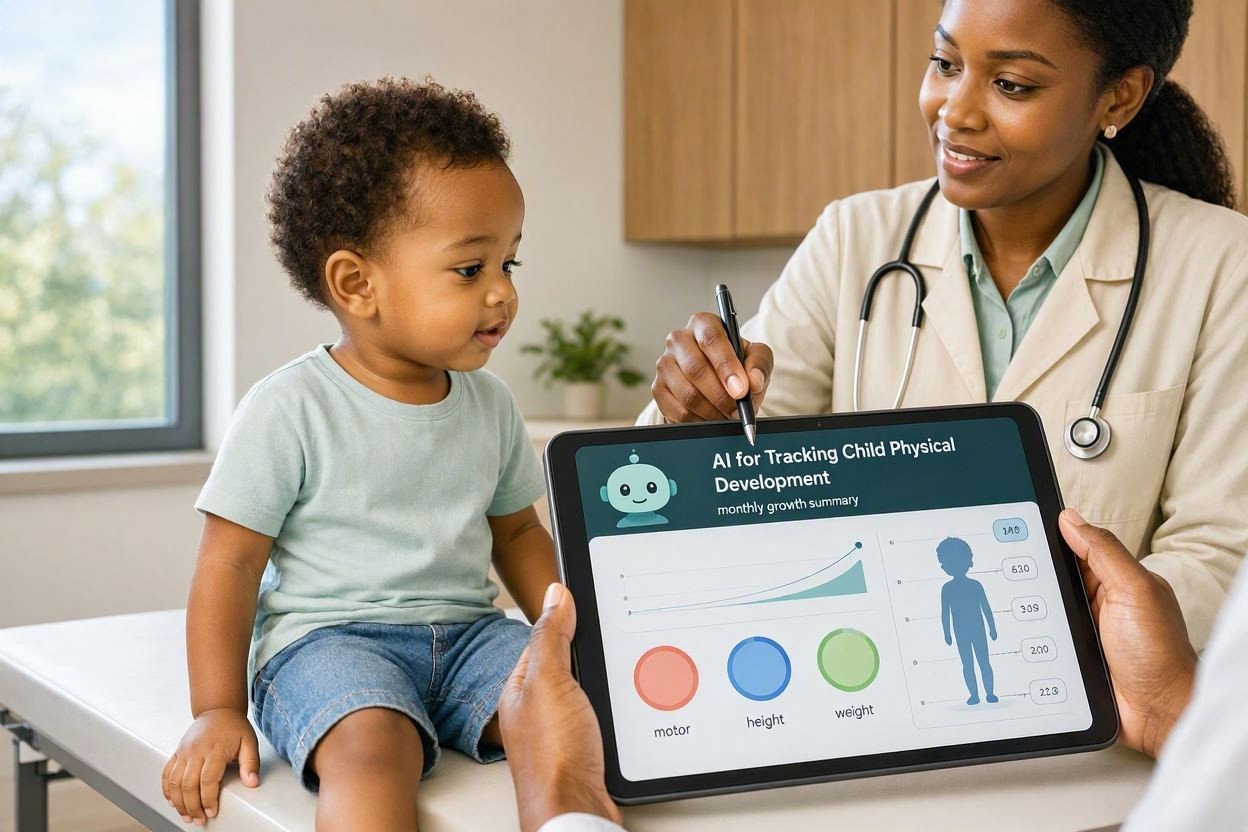
Tracking a child's physical development is one of the most important responsibilities in pediatric care. Height, weight, head circumference, posture, motor skills, and movement patterns can reveal whether a child is growing as expected or needs additional support. Artificial intelligence is now helping pediatricians interpret this information more accurately over time, turning routine measurements into clearer, more actionable insights.
Why Long-Term Development Tracking Matters
Children do not grow in a perfectly straight line. Some develop quickly in one area and more slowly in another. A single measurement may be useful, but the real value comes from observing trends across months and years. Pediatricians use this longitudinal view to identify growth delays, nutritional concerns, orthopedic issues, neuromotor differences, and other health conditions that may not be obvious during one visit.
AI supports this process by analyzing large amounts of patient data and comparing a child's progress with evidence-based growth standards. Instead of simply flagging a number outside the average range, AI tools can help detect subtle changes in growth velocity, body proportions, and developmental milestones.
What AI Can Measure and Analyze
Growth Patterns
AI systems can review repeated measurements such as height, weight, body mass index, and head circumference. By examining the direction and speed of change, they can alert pediatricians when a child crosses percentiles unusually fast or fails to follow an expected growth curve. This can be especially valuable for infants, children with chronic conditions, or patients recovering from illness.
Motor Development
Physical development is not limited to size. It also includes how a child moves, balances, reaches, walks, runs, and coordinates the body. AI-assisted video analysis can help evaluate gait, posture, range of motion, and symmetry. In some clinical settings, these tools may support earlier recognition of motor delays, cerebral palsy risk, musculoskeletal problems, or rehabilitation needs.
Milestone Progression
Pediatricians often ask families when a child first rolled over, sat without support, crawled, stood, or walked. AI-powered platforms can organize this milestone history and compare it with typical developmental windows. When combined with clinical judgment, this information helps doctors decide whether reassurance, monitoring, therapy, or specialist referral is appropriate.
How AI Improves Pediatric Decision-Making
AI does not replace the pediatrician. Its strongest role is to assist the clinician by organizing complex information and highlighting patterns that deserve attention. A busy pediatric practice may manage thousands of measurements across many patients. AI can reduce the risk of overlooked trends and make each visit more focused.
- It can identify growth curve changes earlier than manual review alone.
- It can combine data from clinic visits, home monitoring, and specialist reports.
- It can generate visual summaries that make trends easier for families to understand.
- It can support personalized follow-up schedules based on risk level.
For example, a child whose height percentile gradually declines over several visits may not appear concerning at any single appointment. AI can highlight the downward trend, prompting the pediatrician to assess nutrition, endocrine health, sleep, chronic inflammation, or family growth history.
Benefits for Families
Clearer Communication
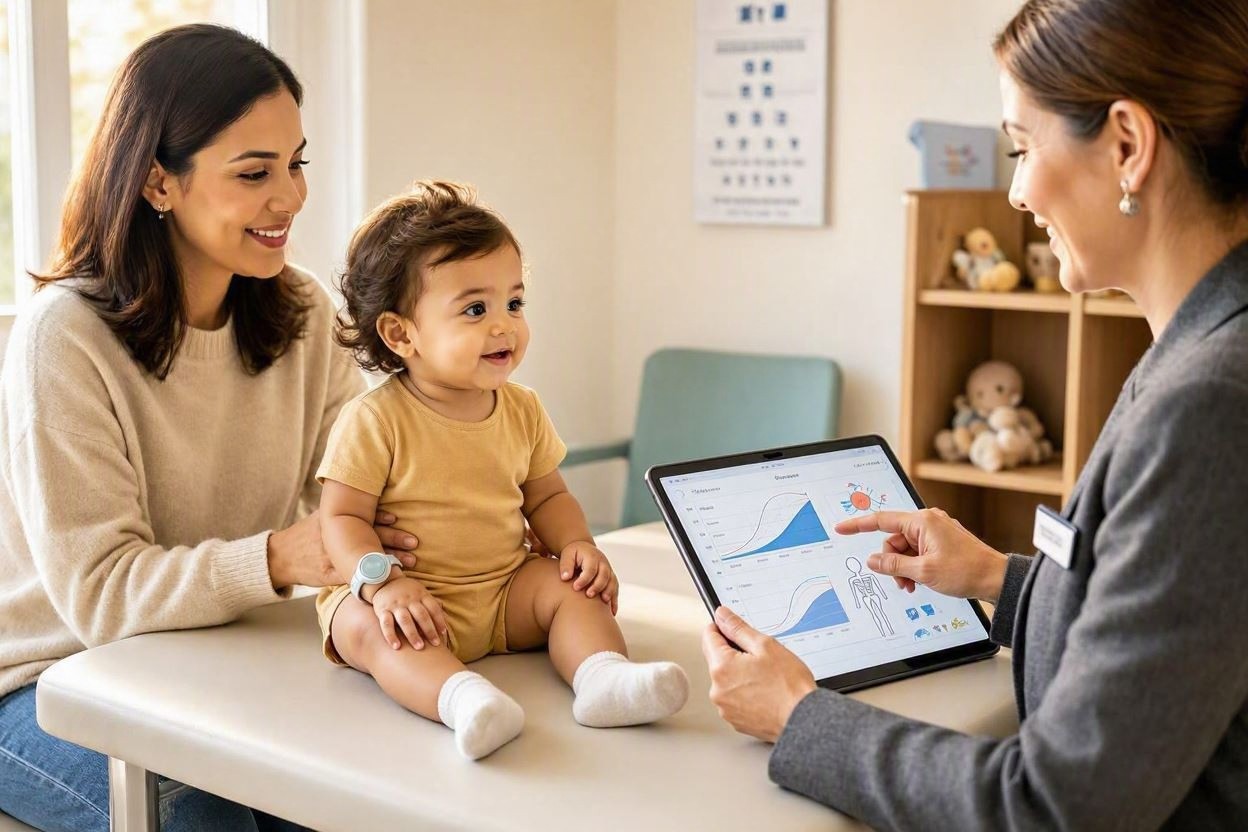
Parents often want to know whether their child is developing normally, but growth charts and medical terms can be confusing. AI-based reports can present information visually, showing how a child's development changes over time. This helps families understand why a pediatrician may recommend observation, blood tests, physical therapy, or a referral.
Earlier Support
Early intervention can make a major difference when a developmental delay or physical concern is present. If AI helps detect risk sooner, children may access therapy, nutrition support, orthopedic care, or developmental services earlier. This can improve function, confidence, and long-term health outcomes.
Important Limits and Safeguards
AI in pediatric development tracking must be used carefully. Children grow differently based on genetics, environment, nutrition, culture, and medical history. An algorithm may suggest a concern, but only a trained pediatrician can interpret that concern in context. Clinical examination, family history, and parent observations remain essential.
Privacy is also critical. Developmental data may include sensitive measurements, images, videos, and health records. Pediatric practices should use secure systems, obtain appropriate consent, and choose tools that meet medical data protection standards. AI models should also be tested across diverse populations to reduce bias and avoid inaccurate recommendations.
The Future of AI in Pediatric Growth Monitoring
As technology improves, AI may become a routine part of preventive pediatric care. Future systems could connect electronic health records, wearable devices, home measurement tools, and therapy progress notes. This would give pediatricians a more complete picture of a child's physical development between visits.
The goal is not to label children too quickly or create unnecessary worry. The goal is to notice meaningful changes sooner, guide families with better information, and support healthy development at every stage. Used responsibly, AI can help pediatricians track a child's physical development over time with greater precision, consistency, and confidence.